


When you read this, we can assume that you are a coffee lover. But do you also know where the coffee you drink comes from?
We are happy to tell you more about the different steps coffee beans take from coffee cherry to the coffee in your cup.
Picking coffee cherries
There are many different types of coffee plants, and they all have their own way of producing coffee. But a coffee plant does not grow everywhere. A coffee plant needs a tropical climate to grow well. In addition, the coffee plant also needs a lot of shade, as this allows them to germinate best.
It will vary per coffee plant, but generally it takes three to five years before a coffee plant has produced ripe coffee cherries. Ripe coffee cherries are dark red in color.
When the coffee cherries are ripe enough, they can be picked. Picking coffee cherries is mainly done by hand, but sometimes machines are also used. When coffee cherries are picked by hand, this is an intensive process, but you can assume that only the really ripe coffee cherries are picked, and no unripe or overripe coffee cherries are included.
Pulping coffee cherries
The next step is pulping the coffee cherries. In this step, the pulp is removed from the coffee cherry. This can be done in two ways. The first method uses running water. After the coffee cherries have come into contact with it, the pulp can be peeled from the cherries. In the other method, the coffee cherries are dried in the sun, and then the coffee bean can be pressed out of the coffee cherry.
Coffee beans extracted from the coffee cherry in this way are called 'washed'. There is also the 'unwashed' method, where the coffee cherries are dried in the sun. Once they are completely dry, the coffee beans are pressed out of the raisin-like cherry. Washed coffee has a milder and more consistent taste. Unwashed beans generally have a more diverse flavour profile. After this, the beans are sorted by size. A larger bean often means higher quality.
Sorting the coffee bean
Now that the coffee cherries have been stripped of their pulp, we speak of coffee beans. The next step after pulping is sorting the coffee beans.
The coffee beans are sorted by size. A larger coffee bean often indicates higher quality.
Ultimately, only the best coffee beans are sorted, and the rest are removed by hand or by machine. By ensuring that only the best coffee beans remain, there is a guarantee that high-quality coffee can be made from good quality coffee beans.
Roasting coffee beans
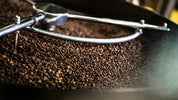
After all the coffee beans have been sorted, they can be roasted. Before this, the coffee beans are still green and have little flavour. Roasting the coffee beans caramelizes the sugars in the bean and gives them the familiar brown color of a coffee bean. However, coffee beans have three different roast levels: light, medium, and dark roast. Each roast undergoes a different roasting process, giving each cup of coffee its own unique taste. Before the coffee beans are roasted, the desired flavour and brewing method are considered. For example, coffee beans for filter coffee are roasted differently than beans for espresso coffee.
During the roasting process, coffee beans are heated, which reduces the moisture content of the bean. The heat causes the bean to change color. During the roasting process, two 'cracks' occur; this sound indicates that the beans are expanding. Shortly after the first crack, roasting is stopped for light roast coffee beans. For a medium roast, roasting continues a little longer. After the second crack, the beans quickly darken, and you speak of a dark roast coffee.
Grinding coffee
The last process the coffee beans must undergo before you can actually drink it is grinding. The grind of coffee beans is very important because it largely determines the taste of your coffee. There are different grinds, and the grind you choose depends on how you ultimately want to brew your coffee. For example, you have espresso coffee, filter coffee, or pour-over coffee, which are again subdivided into fine grinds or coarser grinds.
Drinking coffee
These were all the steps that coffee cherries/beans went through before they were sold in stores and you could use them to make your favorite cup of coffee.
Coffee is the start of the day for many people, but it may not be a product that people think much about how a coffee bean actually comes into being. We hope we have informed you sufficiently, and perhaps you now enjoy your cup of coffee even more than you already did.
View coffee beans
-

€33,95
-

€36,50
-

€31,95
-

€49,95
-

€20,00


Other blog posts
-

Why the freshest roast date doesn't always result in the tastiest coffee
Why the freshest roast date doesn't always result in the tastiest coffee -

-


